WordPress Pitch Booking & Rental System
We designed and built a fully modular pitch booking and rental system for MFA Taiwan, digitizing their manual booking operations with flexible pricing models, equipment rentals, and a scalable plugin architecture — all integrated directly into their existing WordPress website.
Visit Live Project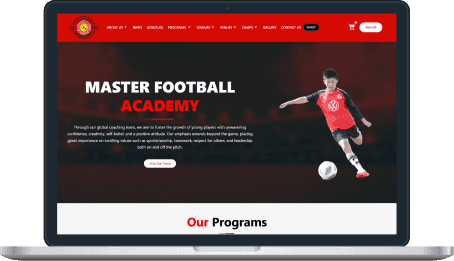
The Challenge
Key pain points and technical constraints that shaped the project scope.
Challenge 01
Manual booking operations were creating administrative bottlenecks and scheduling conflicts
Challenge 02
No system for real-time availability checks or preventing double bookings
Challenge 03
Complex pricing requirements: member vs non-member rates, peak/off-peak rules, duration tiers
Challenge 04
Equipment rental needed quantity-based pricing integrated into the booking flow
Challenge 05
System had to support phased feature activation across multiple commercial package tiers
Our Solution
The approach, architecture decisions, and implementation strategy we deployed.
Developed a fully modular WordPress plugin with REST-driven architecture and custom database schema
Built an atomic slot-locking mechanism to prevent race conditions and double bookings
Created a standalone pricing engine with ordered calculation logic for member, peak, and duration rules
Implemented equipment add-on rental with quantity-based pricing and booking integration
Designed admin dashboard with calendar views, revenue analytics, and manual booking tools
Tech Stack
Business Impact
- Enabled 24/7 self-service booking, eliminating manual scheduling
- Reduced administrative workload through automated availability management
- Introduced structured member pricing that increased retention
- Unlocked additional revenue streams through equipment rental add-ons
- Provided actionable business intelligence through utilization and revenue reporting
Technical Deep Dive
Engineering Highlights
The project emphasized clean architecture with complete separation of pricing logic and payment processing. Race-condition-safe booking mechanisms ensure data integrity under concurrent access. The REST-first approach enables future frontend flexibility, and the modular structure supports long-term feature growth across bilingual (English & Traditional Chinese) interfaces.
Want results like these for your project?
Share your goals, constraints, and timeline. We will design a delivery plan that maps directly to your business outcomes.
Start a Conversation